Our Locations
Kitchener
Email For Us
info@kwicphysiotherapy.com
Save you from pain
548 889 3432

The practice of acupuncture has developed in popularity over time to be well-known as an eminent and widely practiced whole-body treatment. The ancient practice of healing has been developed in Asia and has gradually been gaining popularity among numerous people, particularly the elite and famous.
Numerous western nations, like Canada continue to learn about the benefits of acupuncture, and the fact that the treatment of acupuncture can work to relieve stress and pain.
In this blog, we hope to show you how to utilize Acupuncture in Kitchener to ease the pain, discomfort or chronic diseases throughout your body.
However, before we dive further into the complexities of acupuncture and treatment for pain, let’s take an in-depth look at the nature of acupuncture and the way it functions.
Acupuncture is a traditional Chinese therapy whereby practitioners stimulate certain points on skin by using needles.
It’s not too bad, but this sounds more serious than it actually is. They are thin, and don’t cause any harm. They are targeted at the nerve-rich regions of the skin, and affect glands and tissues in the area that is hurting.
The needle causes a small damage when it’s inserted which sends signals to the body that it is responding. This triggers the immune system. It also increases circulation in the affected area. It also reduces the severity of wounds and the pain.
Acupuncture is therefore an effective method to allow the body to self-heal at a cellular level, without having to endure any side effects typically associated when you use Western medical practices.
Acupuncture points are situated on meridians. There is where the vital energy is in ‘qi’, or ‘chi’.
The practitioner examines the patient’s body and decides on what the patient needs. The needles are inserted depending on the position. are put in the patient is placed on their backs, in front or on the on his side.
Acupuncturist in Kitchener utilizes disposable, single-use needles that are sterile to complete the procedure.
Needles are put in at a time, creating the patient to experience a short stinging sensation, and occasionally a dull pain that goes away. Needles are left in the area for up to 30 minutes. They may require several treatments based upon the patient.
Like we said before, the acupuncture procedure isn’t a painful process, contrary to what is widely considered. The slight tingling sensation is gone in a matter of minutes.
There are a variety of acupuncture, as well as pain control methods currently utilized.
Each method offers its own positives in pain, but every method is based on a single idea: the theory of balance between energy and life.
Based on this idea the body is functioning optimally when the energy of our lives is at a healthy balance. The stress level, the unbalanced diet, working conditions, physical and mental illnesses cause the body to lose this equilibrium. Acupuncture helps restore balance. It creates a calm and well-balanced body.
Consider cutting the body in four pieces. We have two limbs at the top, two on the bottom, and two fingers and two feet, each with 5 fingers, toes and five fingers each.
In accordance with the theory of life-energy Acupuncture is one of the most popular and pain-management methods:
1. Traditional Chinese Medicine
Like we said earlier, the conventional Chinese Acupuncture method is the most popularly practiced and often mistakenly interpreted as being the sole treatment method for acupuncture. It scrutinizes your body’s natural movements, including cold and hot or yin and Yang over and under and brings balance back.
2. Japanese acupuncture
Japanese Acupuncture and pain management use the life-energy balance theory.
The primary distinction in Japanese acupuncture methods and TCM is that they both use touch. Before getting into making use of needles, Japanese Acupuncture emphasizes the use of touch to determine the needle’s placement location.
The type of acupuncture used here is one that uses only a small amount of stimulation, and results in a higher amount of change. However, the needles utilized for this procedure are softer and more long. They trigger a more intense tingling sensation and use fewer needles as compared to TCM.
3. Korean hand Acupuncture
As with TCM as well as Japanese Acupuncture and the management of pain, Korean Hand Acupuncture (KHA) is founded on the energy balance theory.
However, this balance is created by hands. Treatment is centered around the hand of the patient, where painful areas are identified.
KHA utilizes smaller needles that are smaller than the needles used for body acupuncture. There are numerous nerves within our hands, and they cover an extensive area of the cerebral cortex (homunculus). If you only apply this treatment to the hands, the entire body will be addressed.
4. Auricular and Scalp Acupuncture
Auricular and scalp acupuncture as well as treatment for pain also focus on stimulation of nerves. These nerves can be found in the ear, which connects the main organs in the body.
Auricular acupuncture is a therapeutic procedure that can help normalize the system’s dysfunction and pain by stimulating the ear’s acupuncture points. The formation of the reticular ring through the parasympathetic and sympathetic nervous systems helps relieve symptoms and pain.
Auricular and scalp acupuncture trigger nerve signals as well as aid in removing the body’s toxins, allergies as well as brain function and mood shifts.
Acupuncture is also thought of as a form of micropuncture treatment where the needle is placed in the area of stimulation just above the nerve centers. The treatment has been beneficial to those suffering from motor problems and spinal disorders.
5. Non-insertion acupuncture
Non-insertion Acupuncture, also known as toyo harialso originated in Japan which was then created by blind doctors. It was initially reserved for use in pediatric patients however, following extensive studies about its advantages the therapy is now being used for adults.
The needle used in the procedure is made of platinum and silver however, these needles do not enter the body. The trigger points are activated through the simple act of pressing them with needles, which creates a vital energy equilibrium.
6. Cupping
It may be surprising to learn that cupping can be an acupuncture technique! It does not utilize needles to stimulate trigger points, but it can assist in relieving pain a lot.
To increase the flow of Qi (chi) to increase the flow of chi, warm cups are placed over the body. The air within the cups warms up and then a vacuum forms. After applying the cups on skin tissue, they begin pulling the skin tissue into the cup.
A form of alternative medicine, acupuncture can treat both acute and chronic pains, being it mental, physical or even emotional. Furthermore, acupuncture can help you recover with the least invasive method that is possible without the use of surgery or drugs which can cause negative side effects.
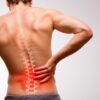
If you’ve felt depressed and stressed, or you’ve suffered with constant headaches and lower back pain for a long time, acupuncture can allow you to get relief and let go of the stress that is accumulated throughout your body. At our trusted acupuncture clinic in Kitchener, we focus on restoring balance, easing pain, and promoting overall wellness through personalized and holistic care.As professionals in the field of acupuncture, we will be on the lookout for your progress and inform you if we think it’s appropriate to get particular medical guidance. At KWIC Physiotherapy, we provide safe and effective acupuncture therapy in Kitchener, helping you achieve lasting relief and improved overall wellness through personalized care.