
Our Locations
Kitchener
Email For Us
info@kwicphysiotherapy.com
Save you from pain
548 889 3432
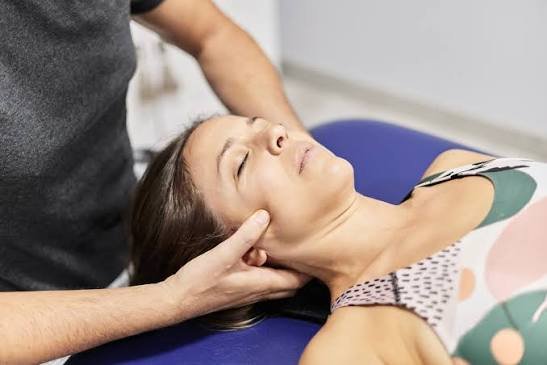
When someone walks into my clinic in Kitchener with jaw pain, I usually hear a familiar story: the jaw clicks, chewing feels tight, yawning is scary, and the pain has started to spread into the temple, ear, or neck. In the KW region, I see this often in people who work at a desk all day, commute between Waterloo and Cambridge, or carry stress in their jaw without realizing it. TMJ pain can feel confusing, but the clinical process is usually very practical.
So, what does a physiotherapist do for TMJ? I assess how the jaw moves, what tissues are sensitive, how the neck is influencing the problem, and what habits are keeping the system irritated. Then I combine hands-on treatment, exercise, and education so the jaw can settle down and work normally again. I am not trying to “push the jaw back in” with a quick fix. I am looking for the pattern behind the pain.
That matters because temporomandibular disorders are rarely just a joint issue. They often involve muscle overload, neck stiffness, clenching, poor load tolerance, and sometimes a sensitized pain system. A good physiotherapy plan respects all of that.
A TMJ assessment is detailed, but it should never feel mysterious. I want to know what your jaw is doing, what it is avoiding, and what is irritating it. Most first visits start with a conversation about when the pain began, whether the jaw locks or clicks, if you grind at night, and whether eating, talking, or yawning makes things worse. I also ask about headaches, neck pain, stress, recent dental work, and any history of trauma.
Then I examine the jaw and the structures that support it. I palpate the masseter, temporalis, suboccipital muscles, suprahyoids, and often the upper cervical muscles to see where tenderness is being reproduced. I check the TMJ itself for joint line pain, stiffness, asymmetry, and whether opening deviates to one side. I also listen for clicks, pops, or crepitus during opening and closing, because joint sounds can tell me how the disc and condyle are moving together.
I measure mouth opening, lateral glide, and protrusion, and I compare the quality of those movements rather than just the numbers. Is the opening smooth or jerky? Does the jaw shift right as it opens? Does the range improve when the neck is supported? These small details help me build the clinical picture.
I never skip the neck. In fact, I almost always assess cervical posture, upper cervical mobility, and deep neck muscle control. The jaw and neck are linked, so if the head is held forward or the upper cervical spine is stiff, the jaw often works harder than it should. In Kitchener-Waterloo, I see this pattern constantly in people spending long hours on laptops and phones.
Once I know what is driving the symptoms, treatment becomes much more targeted. For some patients, the first session includes gentle manual therapy to the jaw, face, and neck. This may involve soft tissue release to the masseter or temporalis, mobilization of the TMJ if it feels stiff, or treatment to the upper cervical joints if they are contributing to the referral pattern.
The evidence supports this approach. Armijo-Olivo et al. (2016) found that manual therapy can help reduce pain and improve function in people with temporomandibular disorders, especially when it is part of a broader treatment plan that also includes exercise and education. That matches what I see clinically. Hands-on care can calm symptoms, but it works best when we also change how the jaw is loaded day to day.
Depending on the case, I may use intraoral techniques with gloves to address deeper jaw muscles, but only when it is appropriate and with clear consent. Some people are surprised by how tender the jaw muscles are, especially if they have been clenching for months. That tenderness is useful information. It tells me which tissues are overworked and where we need to reduce guarding.
If the jaw is irritable, I keep the first sessions gentle. If it is more mechanically restricted, I may use specific mobilizations to improve opening or side glide. I am always watching the response in real time. A good TMJ session should leave the jaw feeling freer, not flared up for the rest of the day.
Exercise is the part that makes the changes stick. I do not hand out random jaw exercises. I choose movements that retrain control, reduce clenching, and restore normal load tolerance.
One of the most useful areas is deep cervical flexor training. These are the small stabilizing muscles in the front of the neck, and they help the head sit more efficiently over the spine. When these muscles are weak or underactive, the jaw often compensates. I might start with gentle chin nods, progressing to better endurance and posture control. For many patients, this helps the jaw feel less overworked by the end of the day.
I also use the Rocabado 6×6 exercise program because it gives patients a clear, repeatable structure. It focuses on posture, controlled jaw opening, tongue position, relaxed jaw posture, and cervical alignment. In plain language, it teaches the jaw to move without bracing. I like it because it is simple enough to do at home, but specific enough to change movement habits.
A typical home program might include:
If a patient in Waterloo or Guelph is also dealing with neck stiffness, I will usually combine jaw work with cervical mobility and posture drills. The jaw does not live on its own. It lives in the whole system.
Treatment is not just what happens on the table. It is also about reducing the everyday irritants that keep the TMJ angry. I usually talk about softening the bite during flare-ups, avoiding gum chewing, not testing the jaw constantly, and being careful with large bites like sandwiches or apples when the joint is sensitive.
I also coach people to notice clenching during driving, email work, or stressful meetings. Many patients from Kitchener and Cambridge do not realize they are holding the jaw tight until we put a mirror or reminder system in place. A simple cue like “lips together, teeth apart” can make a real difference over time.
Sleep, stress, and screen posture matter too. If the body is under strain all day, the jaw usually shows it. My job is to connect those dots without overwhelming the patient. I want the plan to feel doable, not like another full-time job.
Patients often ask how they will know the treatment is working. Usually, the first signs are subtle: opening feels smoother, the jaw is less tired at meals, the clicking is less bothersome, or the morning stiffness eases sooner. Pain reduction is important, but better control matters just as much.
For some people, recovery is quick. For others, especially if the jaw has been locked or overused for a long time, we build progress in stages. I would rather see steady change than chase a dramatic fix. The goal is to get the jaw calm, coordinated, and resilient enough to handle daily life again.
When TMJ care works well, patients usually say they feel more in control. They stop fearing the next yawn or bite. That is a big win.
Good TMJ physiotherapy should feel clear and hands-on, not vague. In the KW region, that means explaining what I found, showing you what is being palpated and why, and giving you specific exercises that match your symptoms. It also means knowing when to collaborate with a dentist, physician, or oral health provider if the case needs a team approach.
I see a lot of people in Waterloo, Kitchener, Cambridge, and Guelph who have been told to “just relax” or “stop clenching”. That advice is not enough on its own. You need a clinical plan that helps the jaw move better, load better, and settle better.
If you are dealing with jaw pain, clicking, clenching, or a locked-feeling jaw, book an assessment at KWIC Physiotherapy in Kitchener. We help patients from Kitchener, Waterloo, Cambridge, Guelph, and across the KW region with practical TMJ treatment that actually addresses the problem.
A physiotherapist assesses jaw movement, palpates the jaw and neck muscles, listens for joint sounds, checks posture and cervical mobility, and treats the problem with manual therapy, exercise, and education. The goal is to reduce pain and improve how the jaw moves and loads.
I palpate the masseter, temporalis, pterygoid region when appropriate, the jaw joint line, and often the upper neck muscles. I am looking for tenderness, referred pain, guarding, and patterns that explain why the jaw is irritated.
I listen for clicks, pops, or grinding sounds as the jaw opens and closes. I also pay attention to when those sounds happen and whether they are paired with pain, locking, or limited range.
It can help, depending on the reason the jaw is locked. If the issue is muscle guarding, joint stiffness, or a mechanically irritated TMJ, physiotherapy can often improve movement and reduce pain. Severe or sudden locking should be assessed promptly.
Yes. Armijo-Olivo et al. (2016) reported that manual therapy can help reduce pain and improve function in people with TMD, especially when combined with exercise and education. It is one part of a broader plan, not the whole solution.
These exercises train the small stabilizing muscles at the front of the neck. They help improve head posture and reduce the neck strain that can feed into jaw pain. I often use them when TMJ symptoms are linked with forward head posture or neck stiffness.
The Rocabado 6×6 program is a structured set of six TMJ and neck exercises done six times per day. It focuses on posture, jaw control, tongue position, and cervical alignment. I use it as a home routine when it suits the patient’s presentation.
That depends on how long the problem has been present, how irritable it is, and whether the neck and posture are involved. Some patients improve in a few visits, while more chronic cases need a longer plan with home exercises and gradual progression.
Very often, yes. Stress can increase clenching, muscle tension, and jaw overuse. Physiotherapy addresses the physical part of that pattern and also gives you strategies to reduce the daily load on the jaw.
No referral is usually needed to see a physiotherapist in Ontario. If you have insurance coverage, it is still worth checking whether your plan requires any paperwork for reimbursement.
Abhay Mehta, PT — Registered Physiotherapist
TMJ | Concussion | Vestibular Rehabilitation | Shoulder
Abhay Mehta is a registered physiotherapist at KWIC Physiotherapy in Kitchener, specializing in the assessment and treatment of temporomandibular joint disorders, concussion, and vestibular conditions. His clinical approach to TMJ integrates manual therapy, therapeutic exercise, and patient education — matched to what the current evidence actually supports. He regularly accepts referrals from dentists, oral surgeons, and neurologists across Waterloo Region and Guelph.