Our Locations
Kitchener
Email For Us
info@kwicphysiotherapy.com
Save you from pain
548 889 3432
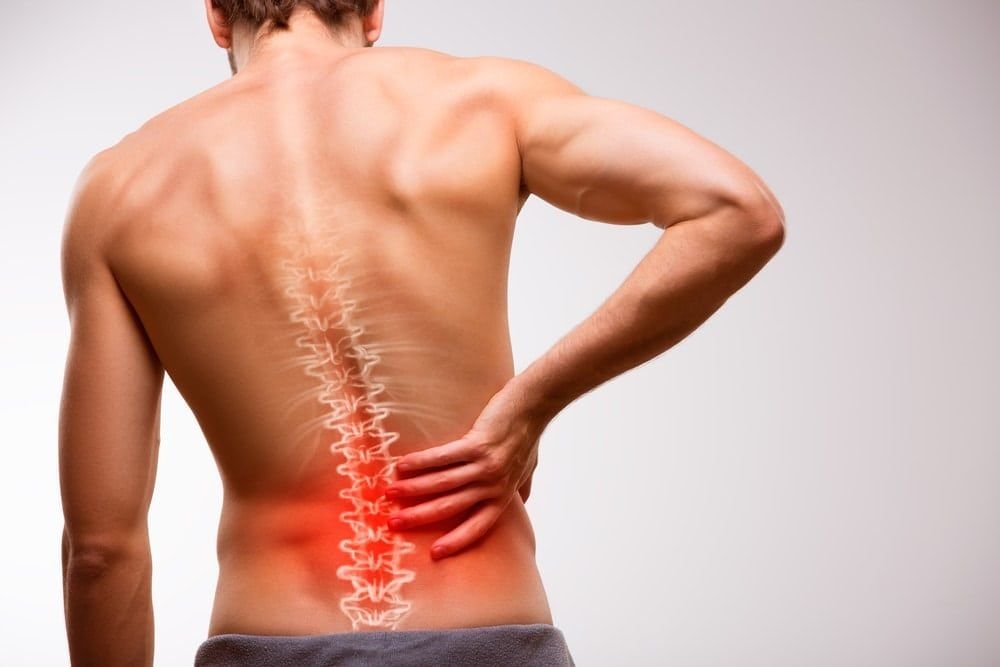
Do you have lingering back pain — the kind that never fully goes away? The kind of pain that prevents you from fully enjoying any moment, constantly distracting you and preventing you from feeling comfortable in your own body.
You’ve probably heard it all: “Exercise more — it’s your weight,” “Do core strengthening,” “Take painkillers,” “Eat more protein to build muscle,” “Take supplements like vitamin D or ashwagandha,” or “It’s your posture — just sit straight at work.” Everyone seems to have a suggestion.
Why is it not working? Because you’re working blindly, progress will be slow — or may never come. You might even start blaming yourself, thinking, “I am the problem,” and feel like you have to bear this pain for life.
Here’s the real problem—nobody is looking at the root cause. Quick fixes and assumptions rarely address what’s truly happening in your body.
The solution? See a qualified osteopath for a personalised session to identify the root cause and create a plan that addresses exactly what your body needs.
Your body tells the story of everything it has been through, and it’s the job of your THERAPIST to listen carefully.
Back pain can come from many sources, not just the disc protrusion. And even if there is disc production. Osteopaths will ask why this body needed this disc to be protruded? What’s the reason behind it?The answer might involve muscles, joints, fascia, nerves, and even internal organs. Understanding the true source of pain is essential for effective treatment.
gluteal muscles reduce pelvic and lumbar stability, and tight iliotibial tract fibres can alter hip mechanics, all contributing to low back dysfunction.
The list of such co-relations is endless. Because back pain can stem from multiple sources, generic advice like “sit up straight” or isolated stretching often fails to address the underlying cause and can worsen compensatory patterns or
musculoskeletal strain.
A comprehensive osteopathic assessment evaluates the spine, pelvis, muscles, fascia, diaphragm, and visceral structures to identify and address the primary contributors. Treatment is then tailored to restore proper alignment, mobility, and function, leading to targeted and effective pain relief.
Manual osteopathy is a healthcare system of manual medicine that focuses on the interconnectedness of all body systems, including the musculoskeletal, nervous, circulatory, and lymphatic systems.
Main Principles of Osteopathy:
An Osteopath will look at your whole body, not just the area that hurts. They will use advanced palpation skills and a deeper understanding of anatomy and physiology to address your concern.
The Osteopathic Practitioner will assess you from head to toe, looking at how you walk, your posture, any joints that may be hyper- or hypomobile and the patterns you have developed which may be sustaining your back pain, muscle tension, fascia, breathing patterns, cranial stressors and even abdominal organ function. They use gentle, targeted techniques to reduce pain, release tight muscles, improve joint mobility, relieve pressure on discs, and restore proper movement.
They can detect tightness or restrictions in joints, muscles, connective tissues, the skull, and even internal organs, helping uncover the true cause of your pain. Your osteopathic practitioner will also discuss the movements/exercises which you should do and the activities which should be avoided as well as recommend you change the current exercises/activities you may have been doing incorrectly.
The focus is not just on treating symptoms but on finding the root cause and treating you as a whole person, restoring balance and improving overall function.
Osteopathy is a gentle manual therapy, safe for people of all ages. It can be adapted for everyone, from newborns and children to teenagers, adults, pregnant or
post-pregnancy women, and older adults or seniors. Treatments are gentle, personalised, and safe, making osteopathy suitable for people at any stage of life. It doesn’t matter whether you’re young, active, or managing age-related conditions.
If you have any queries, don’t hesitate to contact us so that we can help with your lower back pain.